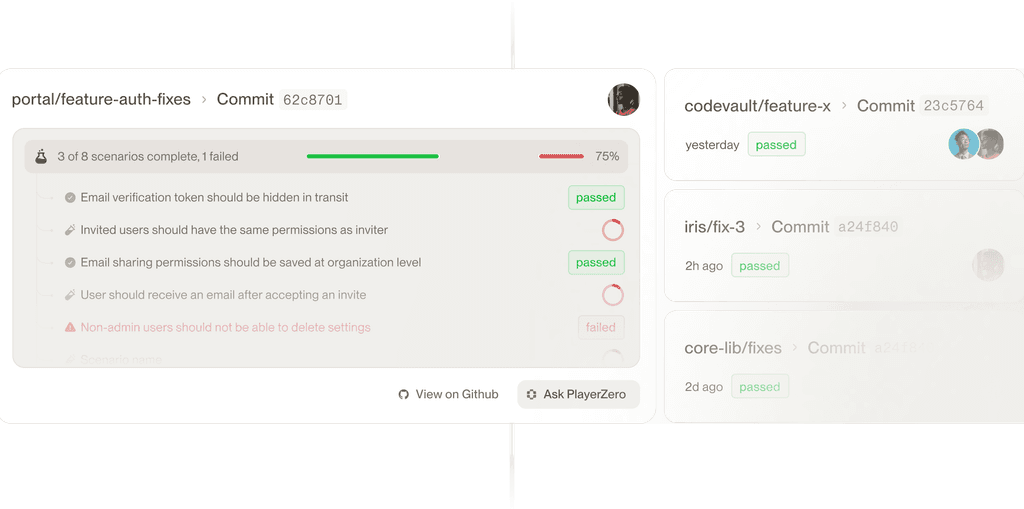
Code simulations remember and predict software behavior,
before deployment
Code simulations enable any software team to proactively verify the most important behaviors in large and complex systems

1
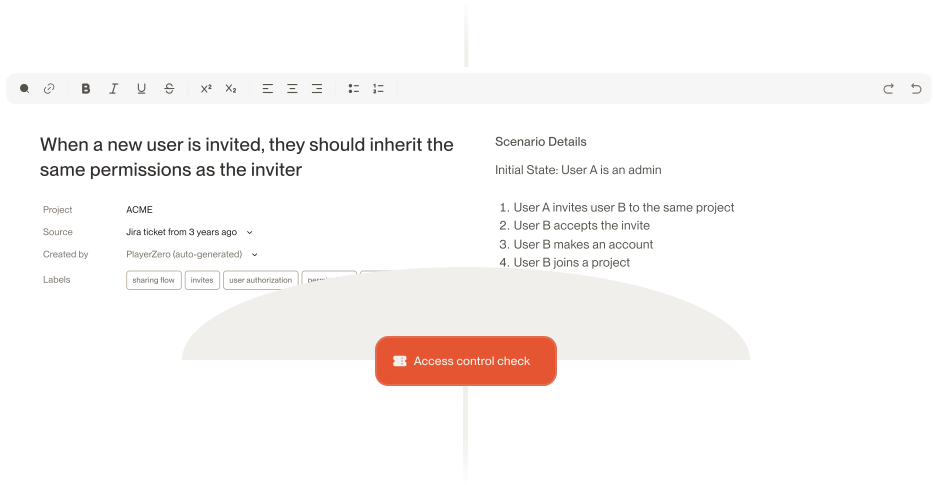
A scenario is a memory
Scenarios are continuously and automatically learned from tickets, past defects, and customer feedback. Each scenario is written in plain-text and represents one expected behavior of your application.
"
Scenarios capture the deepest institutional knowledge we've accumulated in our team, including snippets we've long forgotten. Having an automatic memory for these is invaluable.

2
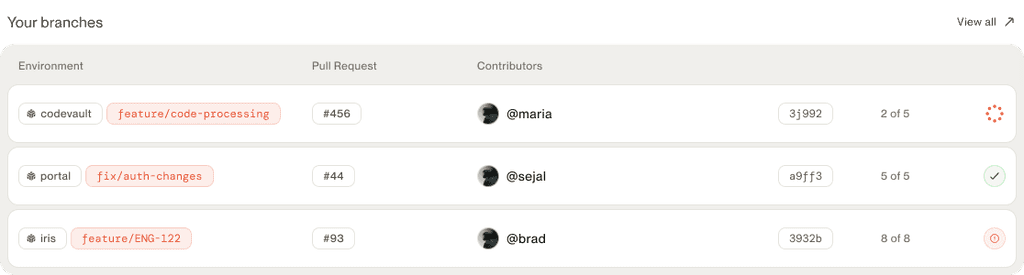
Triggered on every commit and PR
On every commit, PlayerZero analyzes the changes and picks the most relevant scenarios to simulate. Using the Sim-1 code understanding model, PlayerZero traces dependencies, correlated changes, and potential states that may cause problems for your customers.
"
The ability to talk to PlayerZero’s AI agent about a PR or bug and get real answers immediately was the tipping point. Now we’re using it full-time across our DevOps pipeline.


3
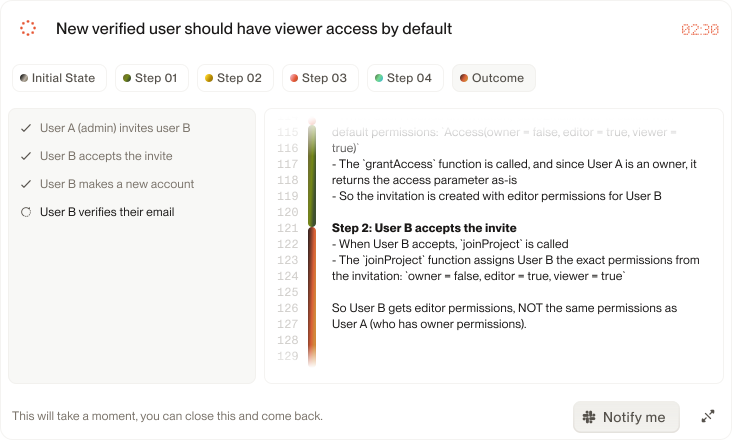
Simulate with no limits
Each scenario can be simulated in parallel without worrying about databases, seeded data, compiling, pipelines, or spinning up dependent services. Simulations trace through large codebases and predict the behavior of each scenario.
"
Its deep understanding of our code architecture — especially through its Code Simulations — has been a game-changer. We can now predict, with much higher confidence, how code changes might impact customers before those changes are ever deployed.